
client area
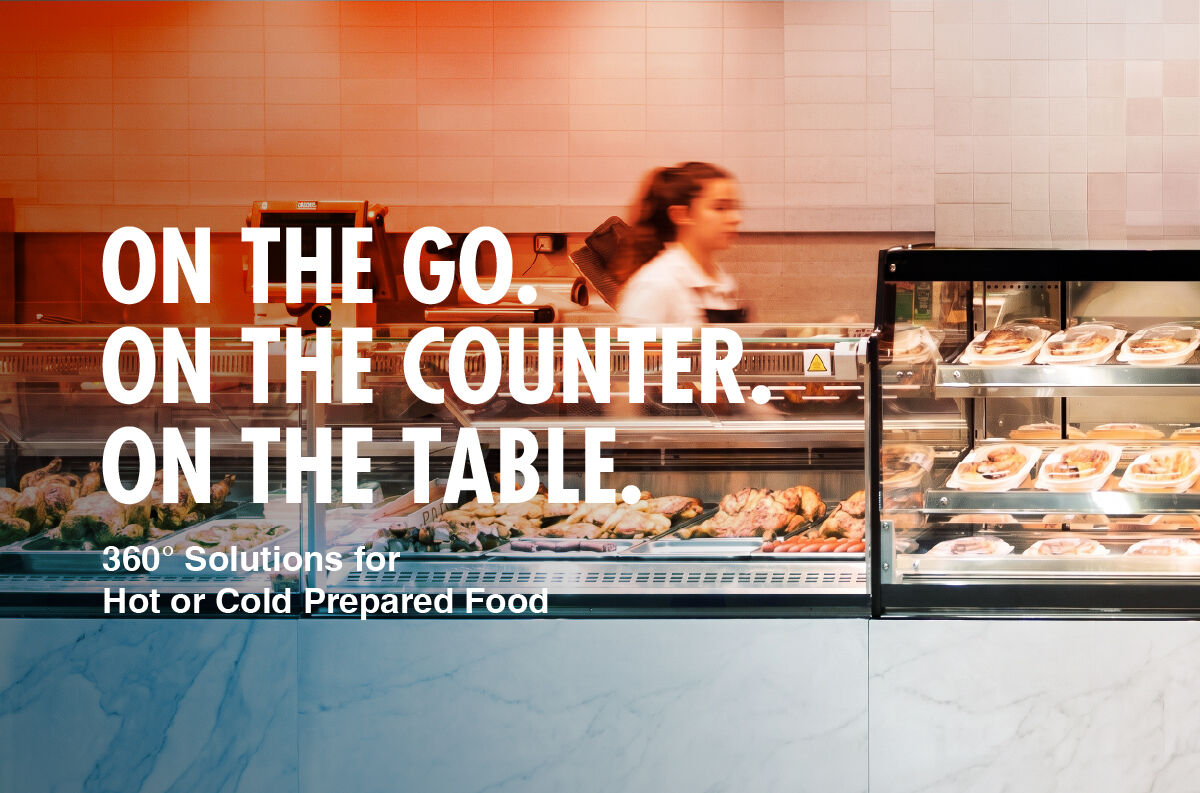
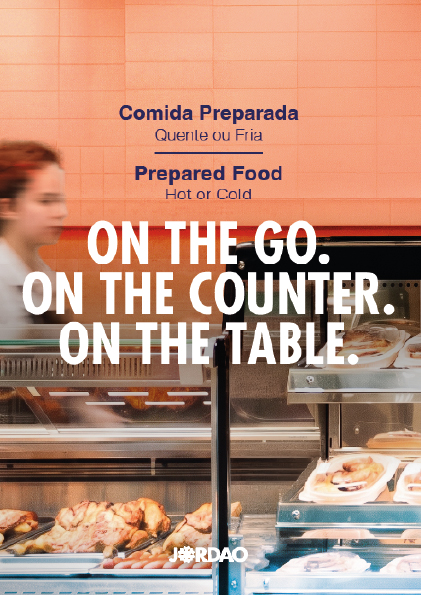
Prepared food means convenience: ready-to-eat or ready-to-heat meals, hot or cold, for the main meals of the day. It also covers on-the-go consumption and snacking.
Consumer habits are changing for two simple reasons: people don't have the time, or they don't like (or don't know how) to cook.
Prepared food is in supermarkets. It's in convenience stores. It's growing everywhere, and stores are dedicating more and more space to it, whether it's lasagnes, roasts, rice dishes, salads, tarts and savoury snacks, or simply sandwiches.
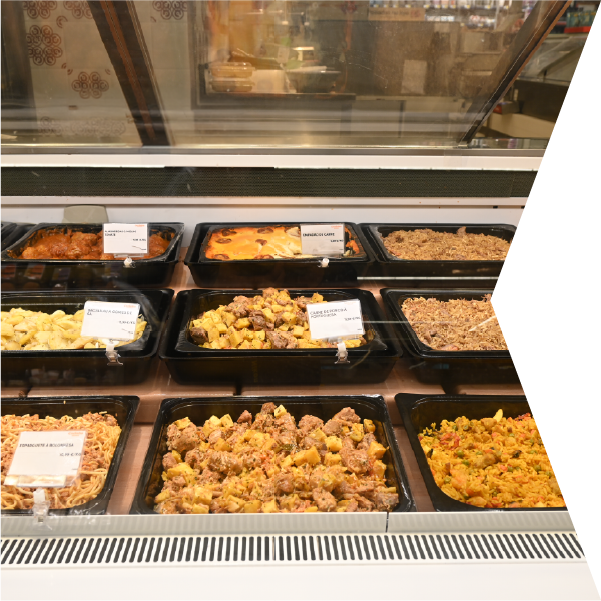
A complete range of hot and cold displays for prepared food.
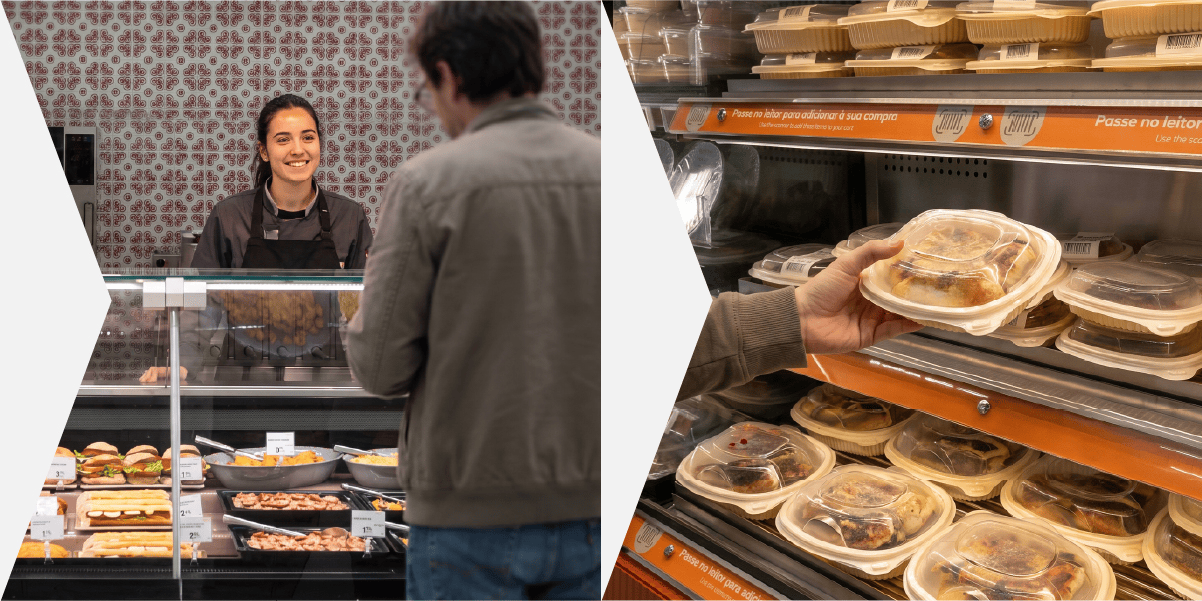
Traditional (assisted) service and self-service.
Service display, compact multidecks and semi-vertical units, with and without rear service doors.
Ventilated, hot plate and bain-marie heating; ventilated and cold plate. And a specialist combo model, it’s hot and cold.
Retail chains, independent operators, specialist stores, takeaways, foodservice and more.
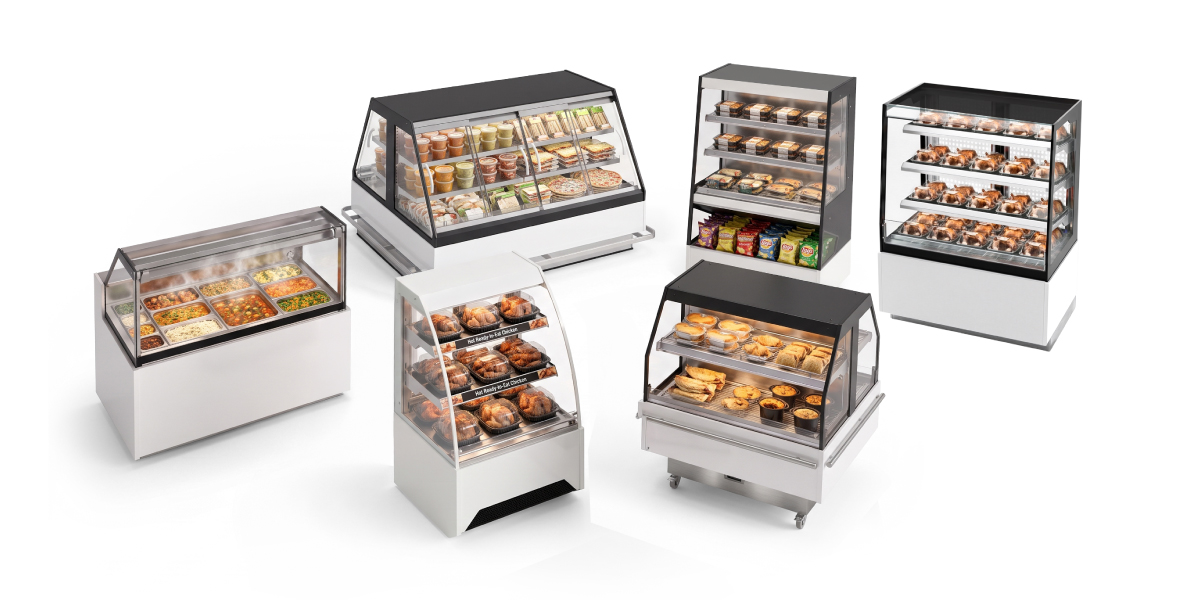
Our offer is designed to meet every need in one integrated proposition: display, service and temperature technology, coordinated with the rest of the JORDAO portfolio, equipment finishes and design, with customisation available on request.
| Display Format | Hot | Cold |
|---|---|---|
| Display cases (including a version with temperature-controlled shelves) | ✓ | ✓ |
| Multidecks and semi-verticals (with or without rear service doors) | ✓ | ✓ |
| 4-in-1 combo display (hot and cold, for assisted service and grab and go) | ✓ | ✓ |
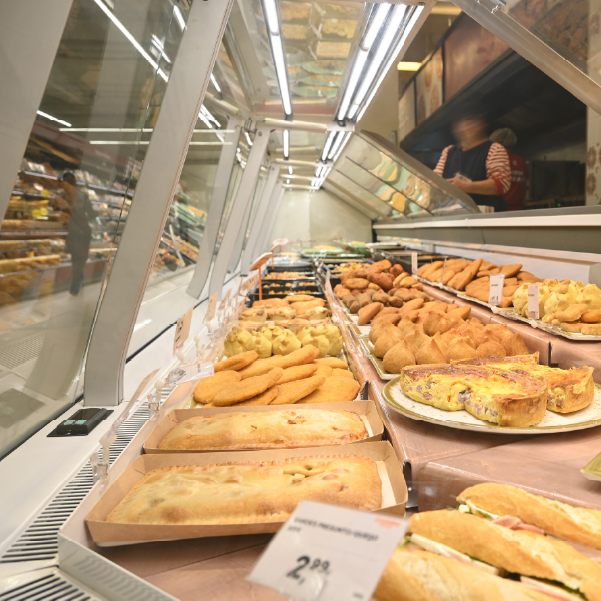
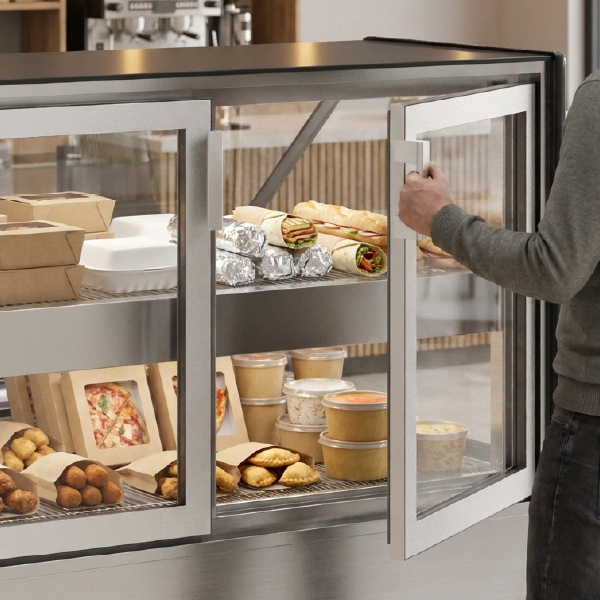
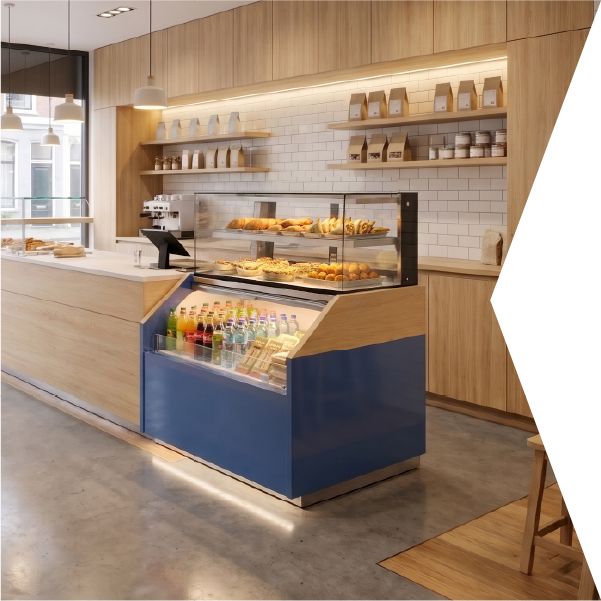
An integrated range, coordinated with other JORDAO models and versions, with a consistent look and customisation options.
Simple to operate, efficient and easy to sanitise. JORDAO's display range lets you seize sales opportunities without extra work.
Tell us about your project and we'll help you choose the ideal solution.
1. What is prepared food in retail?
Prepared food is ready-to-eat or ready-to-heat dishes, hot or cold, for the two main daily meals. However, due to consumer habits, it may include grab-and-go and snacking. Typical examples are rice, pasta, roasts, stews, cold salads, pies and quiches, vegetables and savoury snacks.
2. What equipment does JORDAO offer for prepared food?
JORDAO offers hot and cold displays in three formats: horizontal displays, compact wall units and semi-vertical cabinets, with and without service access. They are available for counter service and self-service.
3. Which heating and refrigeration technologies are available?
For hot food: ventilated heating, contact heating and bain-marie. For cold food: ventilated and contact refrigeration.
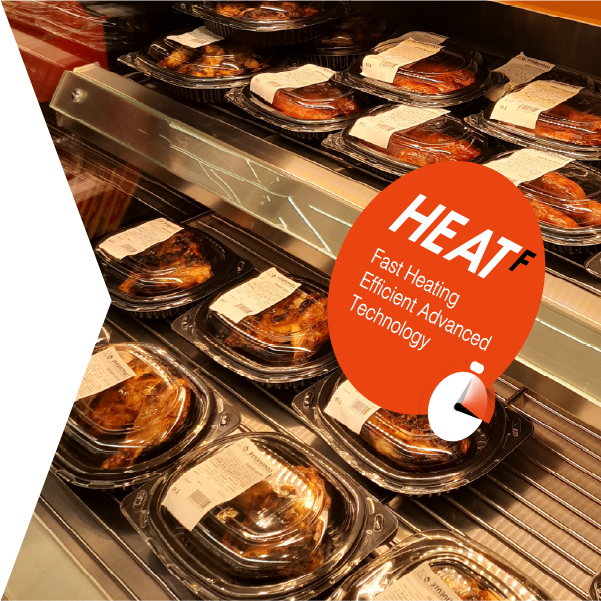
4. What is HEAT f?
HEAT f is JORDAO’s innovative heating system for vertical displays. It is designed for very low energy consumption, up to 34% savings, and longer display times without losing food quality, reducing replenishments and staff trips.
5. Which heating technology is right for which dish?
Bain-marie: Heats by immersing the food container in hot water, suiting large quantities and delicate foods. However, because it limits presentation to pan formats and requires more maintenance, it is not suitable for wrapped foods. It requires regular water top-ups due to evaporation, with a drainage connection recommended. This process suits foods such as pasta, rice, vegetables, side dishes, or sauces.
Convection (ventilated): Heats by circulating hot air, allowing display in holders of different sizes and suiting wrapped foods, ensuring an even temperature, requiring less maintenance, and enabling greater energy savings. However, for food products that require greater humidity, a humidification system is advisable. This process is indicated for products such as pies, various savouries, sandwiches, packaged soups, packaged noodles, and grilled and roasted foods.
Radiant heating (contact heating): Allows display in different supports and formats, providing greater product display and is suitable for wrapped foods, but is not suitable for high-level display; the hot plate could become excessively hot, especially if metal and heating lamps are considered to ensure a more even temperature. It is suitable for products such as pies, various savouries, sandwiches, grills, roasts, and pizzas.
6. Which cooling technology is right for which dish?
Convection (ventilation): Uses chilled air circulation, allowing display in holders of different sizes and suiting most foods by maintaining an even temperature, requiring less maintenance, and enabling greater energy savings. However, for food products that require greater humidity, a humidification system is advisable. This process is suitable for most products, such as pies, various savouries, sandwiches, soups, noodles, and pasta, whether packaged or unpackaged.
Contact cooling (traditionally a piped-deck): Allows display on different supports and formats, provides greater product display, and suits unwrapped foods and beverages, but is not suitable for high-level display (quantity). It suits products such as pies, various savouries, sandwiches, salads, and desserts.
7. Does JORDAO offer both service and self-service displays?
Yes. JORDAO offers counter-service and self-service displays, in hot and cold versions.
8. How do JORDAO prepared food displays make cleaning easier?
Components are easy to remove, and self-service (semi-vertical) models have spill-proof shelves. This simplifies cleaning, reduces staff strain risk, and helps keep the equipment looking good.
9. How does JORDAO help sell more prepared food?
Through visibility: top-level facing, a large glazed area with minimal visual barriers, and generous, carefully designed lighting.
10. Can JORDAO prepared food displays be customised?
Yes. The range is integrated with other JORDAO models and versions in image and finishes, and customisation is available.

 Download Brochure (.pdf)



Follow us on social media